
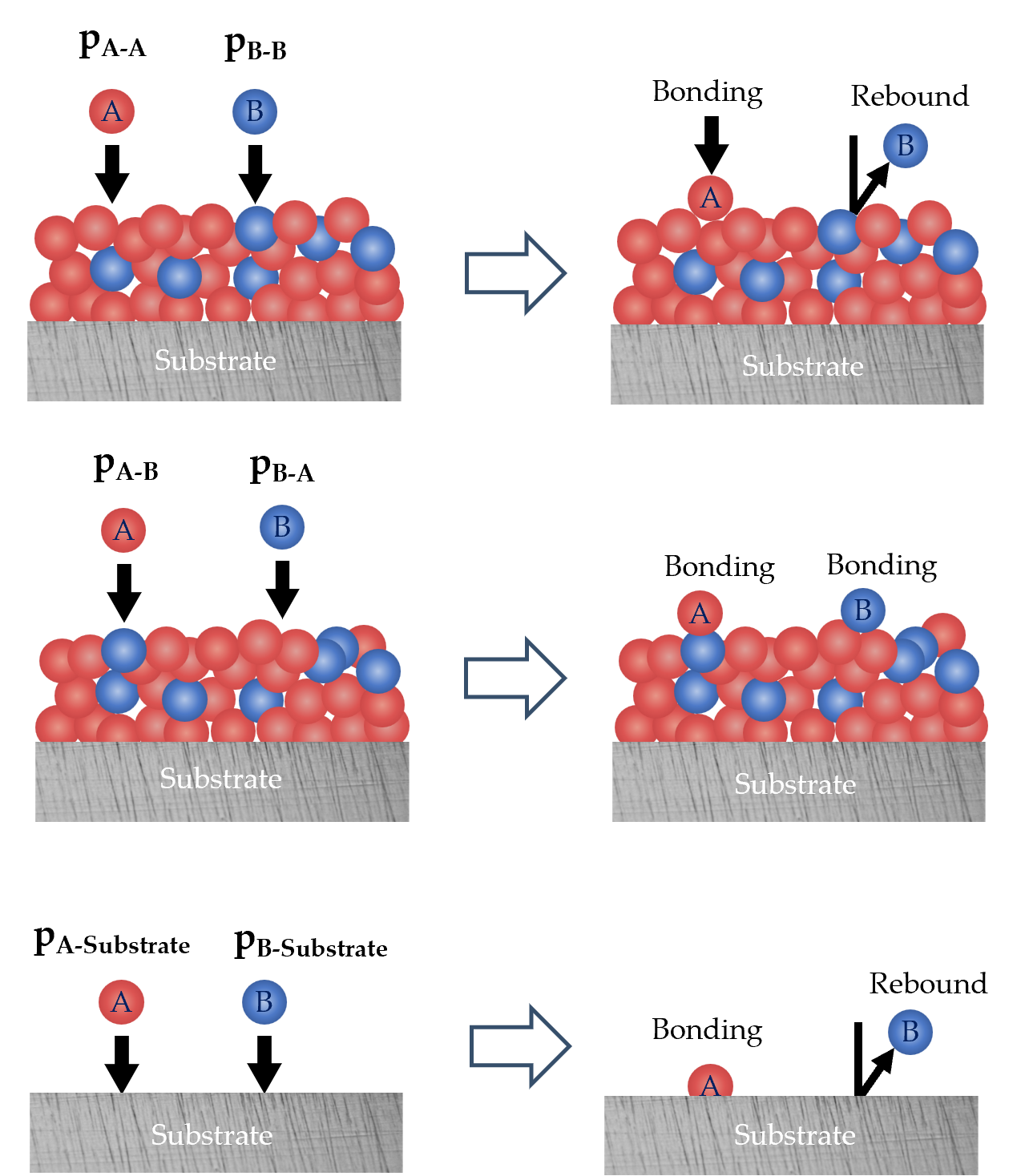
The low working temperature of cold spray technology offers a unique possibility to deposit a wide variety of composite materials by mixing two or more constituent powders. However, while it is possible to precisely control the chemical composition of the mixture before spraying, the compositional yield in the deposit remains uncertain.
The objective of this thesis is to develop numerical model of the deposition process to consider the effect of interparticle interaction, sequence and volume fraction in mixed feedstock on deformation and bonding state. Experimental cold spray wipe tests and Coating microstructural analysis.
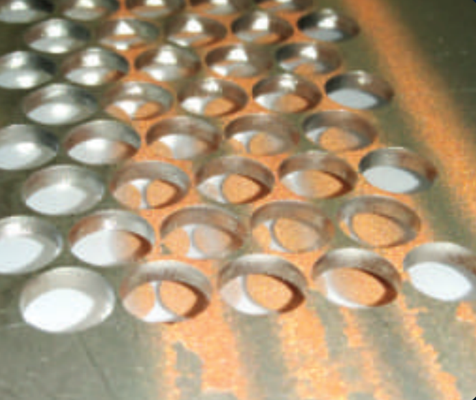
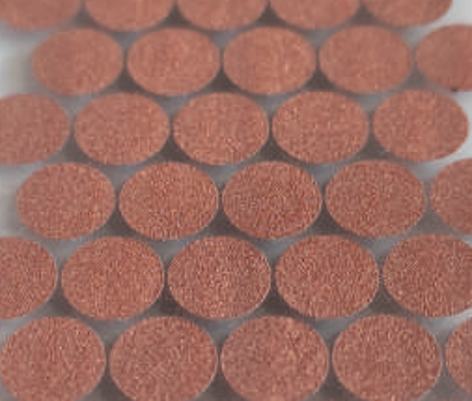
Shape control in cold spray coating and additive manufacturing is still a major challenge. Customized robot programming and predictive numerical tools are being extremely helpful; however, masking is also a simple and scalable technique for deposit shape control. In this project, masking and spray set-up designs will be analyzed to control the shape and thickness of the deposit and thus provide solutions for patterned surfaces. An alternative can be 3D printing of polymer moulds that can be later removed.
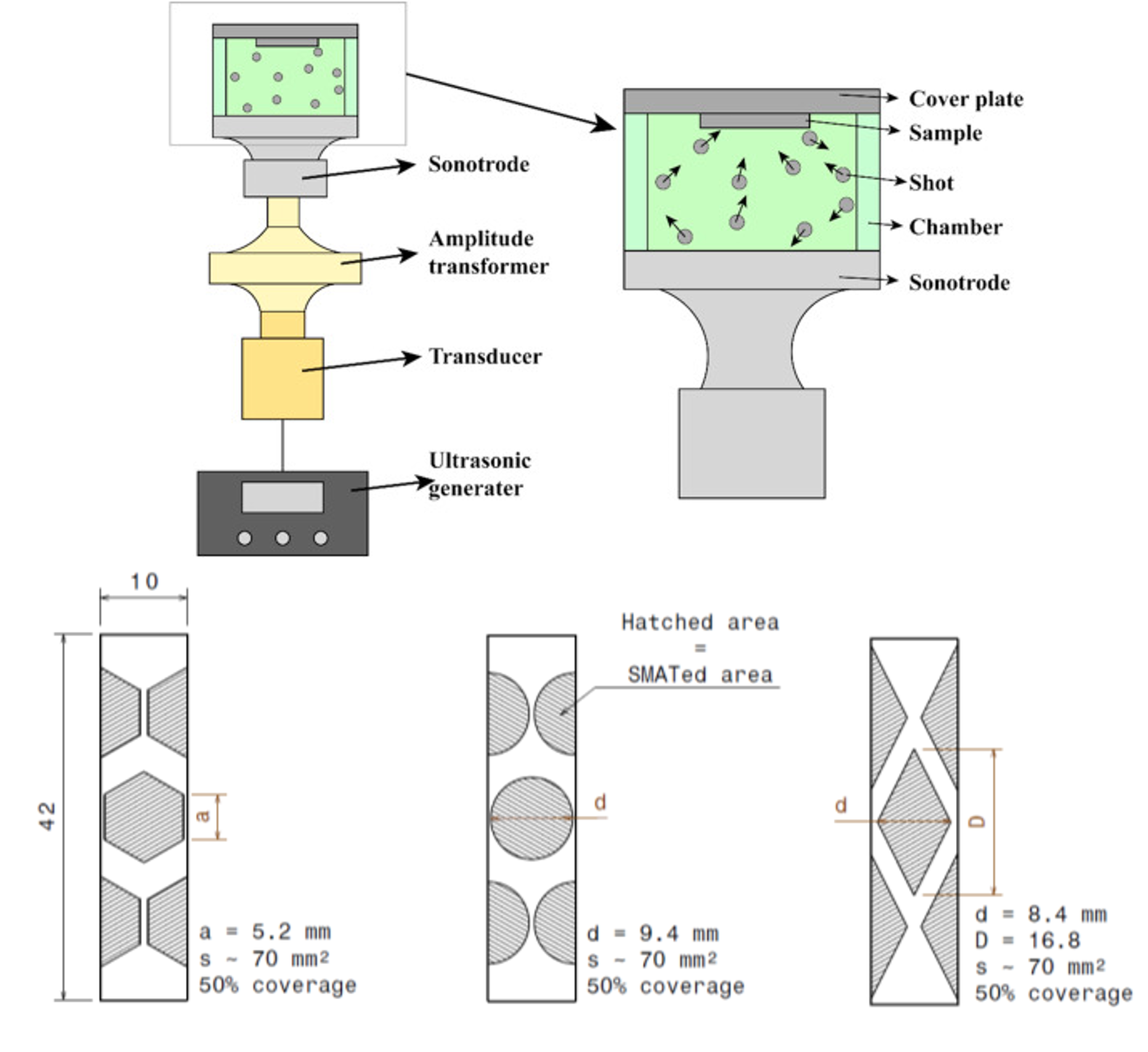
Heterostructured material have separate regions with dramatically different mechanical/physical properties. Severe plastic deformation-based techniques have been recognized as an efficient tool in generating microstructural heterogeneity in metallic materials.This work experimentally analyzes the effect of selective ultrasonic shot peening on mechanical response of steel specimens.
By controlling the design, shape and density of the patterns on treated/un-treated areas the global response of the material can be controlled to obtain customized mechanical performance.

In CS ideally the nozzle velocity is held constant to maintain a uniform deposit. Taking turns always results in an acceleration ∴ a non-uniform deposit. To tackle this in CSAM there are a few different existing strategies. Reduce the speed &/or increase the turn radius. These focus on reducing the amount & duration of accelerations. Adding additional axis can also be used to combat the acceleration effects. In CS practice this is either done with a 2 rotational axis positioner or another 6-axis robot arm. Consumer FDM printers couldn’t afford the cost & complexity of an additional axis. To solve this, they looked at maintaining a constant rate of material deposition rather than nozzle speed (Pressure Advance).
The thesis aims to develop a monitoring system to capture powder behaviour during shutdowns. It will run tests with various powders and feed tube lengths to establish a correction similar to pressure advance or equivalents in WAAM and LMD to enhance shape control for complex-shaped components.